

How Stem Cells From Wisdom Teeth Stay Safe Until Needed
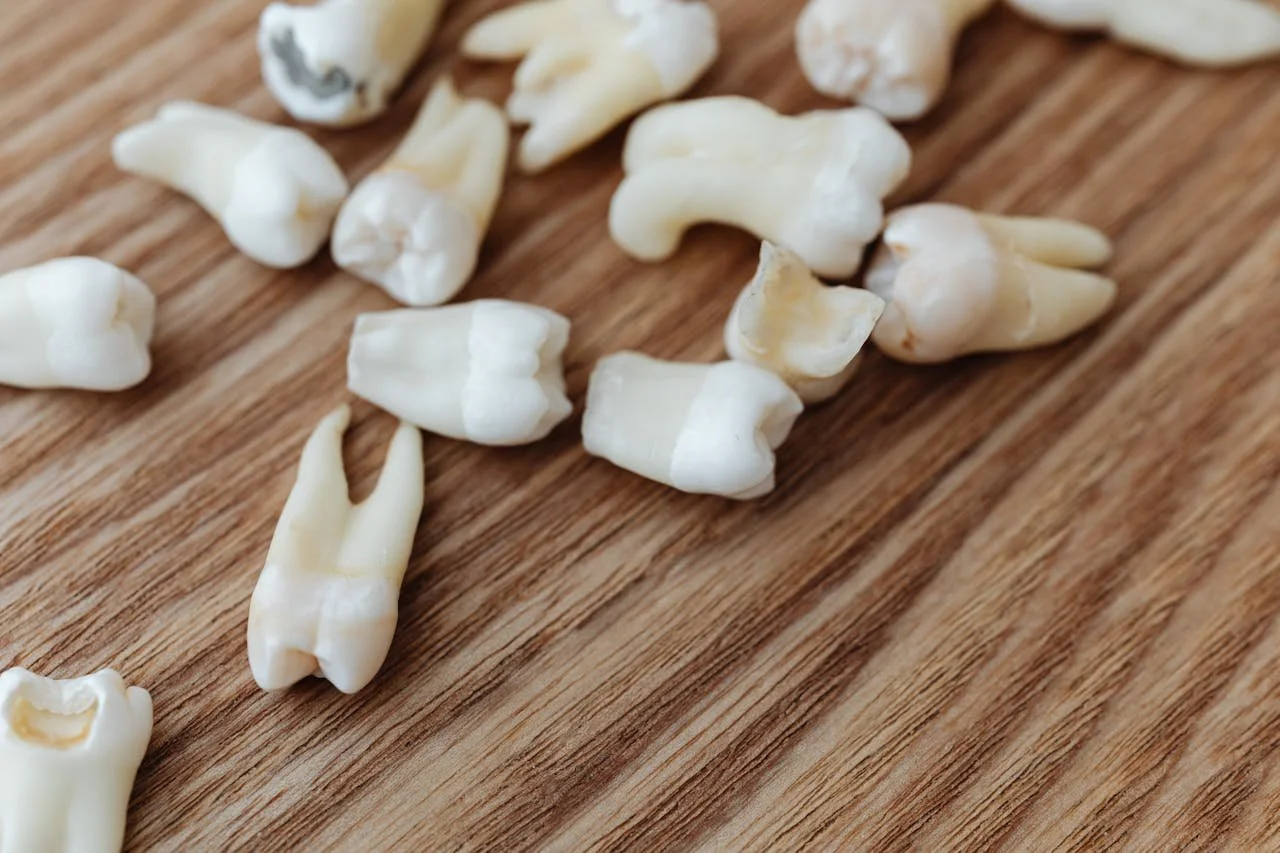
More families are learning that stem cells can be found in wisdom teeth, and they are asking how to keep them safe after removal. It is not just about getting the tooth out. The big question is how stem cells from wisdom teeth are stored carefully so they stay useful if needed later on. The process may sound technical at first, but it is really about protecting something small that could matter a lot.
Once stem cells are collected, they cannot just sit on a shelf. They need immediate care, controlled handling, and smart long-term storage. Knowing how this all works can help people feel more comfortable when planning ahead for an upcoming wisdom tooth removal—especially during the busy winter months. If you are wondering what happens after the dentist finishes the extraction, you are not the only one.
What Happens Right After the Tooth Comes Out
Right after a wisdom tooth is removed, time matters. The soft middle part of the tooth, called the pulp, is where the stem cells live. If the tooth sits out too long or is not handled the right way, those cells may no longer be usable. So the first steps after removal are all about acting fast and keeping the inside of the tooth safe.
Only someone trained in proper handling should take care of the tooth at this point. That means no home storage tricks, no plastic bags, and no waiting until later. The tooth needs to stay moist and be kept at the right temperature. Any delay could mean the cells inside will not survive.
The next step is getting the tooth to a lab quickly. The faster it gets there, the better chance those stem cells inside are in great shape. That is why planning ahead with a team that knows the process makes dental days much easier. Around the holidays, when schedules or winter weather can slow things down, this timing becomes even more important.
At ToothBank, every extracted tooth is sent using a barcoded, insulated kit that maintains the right environment all the way to skilled processing staff.
How Stem Cells Are Separated and Checked
Once the tooth reaches the lab, trained staff get to work right away. They open the tooth to get to the pulp as gently as possible, without damaging what is inside. This is a delicate task. The pulp is soft, but it is not something that can just be scooped out—a careful touch and the right tools make all the difference.
After the pulp is removed, it is tested for viability, thoroughly disinfected, and carefully prepared for cryopreservation in liquid nitrogen vapor.
Not every pulp passes these checks. Some may be too weak or not in the best condition to save. Only the strongest and healthiest move forward. That extra step ensures that what is stored has the best chance of being helpful in the future.
Long-Term Storage That Keeps Cells Safe
The cleaned and selected pulps are frozen at extremely low temperatures—much colder than a home freezer. This level of cold keeps the cells from breaking down as time passes. In a way, it presses pause on the cells, holding them at their best until they are needed.
Just being cold is not enough, though. The location and quality of storage matter, too. Good storage systems have strong backup power, regular checks, and tight controls to make sure the temperature stays steady. Any major swing could harm the cells.
Keeping these steady, safe conditions over years takes careful management. Stem cells from wisdom teeth can remain ready for use for decades, but only if the environment around them is perfectly stable from day one.
At ToothBank, samples are stored in stainless steel tanks monitored around the clock to ensure continuous safety and proper conditions.
Why Cold Doesn’t Damage These Cells
A lot of people wonder how something so cold could keep cells good instead of ruining them. Here is the simple idea. When stem cells are frozen the right way, their natural changes stop altogether. The freezing halts the natural breakdown process so nothing gets worse over time.
Before freezing, stem cells are treated with a special liquid designed to keep ice crystals from forming inside the cell. If you have ever frozen fruit at home and seen it get mushy, you know what ice can do. With stem cells, there is a special process to keep their shape and structure unharmed. The freezing is done with scientific tools built to protect living things, not just store cold items. The right system makes a big difference.
Tiny Cells, Big Responsibility
Keeping stem cells safe does not just begin with a tank or freezer. It starts with careful timing, planning, and expert care at every stage. From the time the tooth leaves the mouth to the moment the cells are stored, every step matters. Every detail must line up, or the value of the cells could be lost.
During the winter months, families often have a lot going on. That is why it makes sense to ask questions and set things up before the busy season is in full swing. Early planning allows for a less rushed, more comfortable approach—so you are never left scrambling or guessing.
Learning how stem cells from wisdom teeth can stay strong and protected makes the choice easier for families. When you know what goes into the process, it means you are prepared to protect something that might matter many years from now. Stem cells may be tiny, but with safe handling, they carry big promise for the future.
At ToothBank, we know timing matters when making choices about future care. If you’re planning a wisdom tooth removal soon, it helps to understand what happens to the cells afterward and how they’re kept safe. Families who want to store stem cells from wisdom teeth often have questions about the process, long-term safety, and next steps. We’re here to help answer those questions with care and clarity. Let us know if you’d like to talk more.
More articles

Learn About The Types Of Stem Cells | Read more

How Body's Own Stem Cells Can Help In Tooth Regeneration | Read more

All About Young Adult Stem Cells | Read more