

Is It Too Late to Save Stem Cells From Teeth After Extraction?
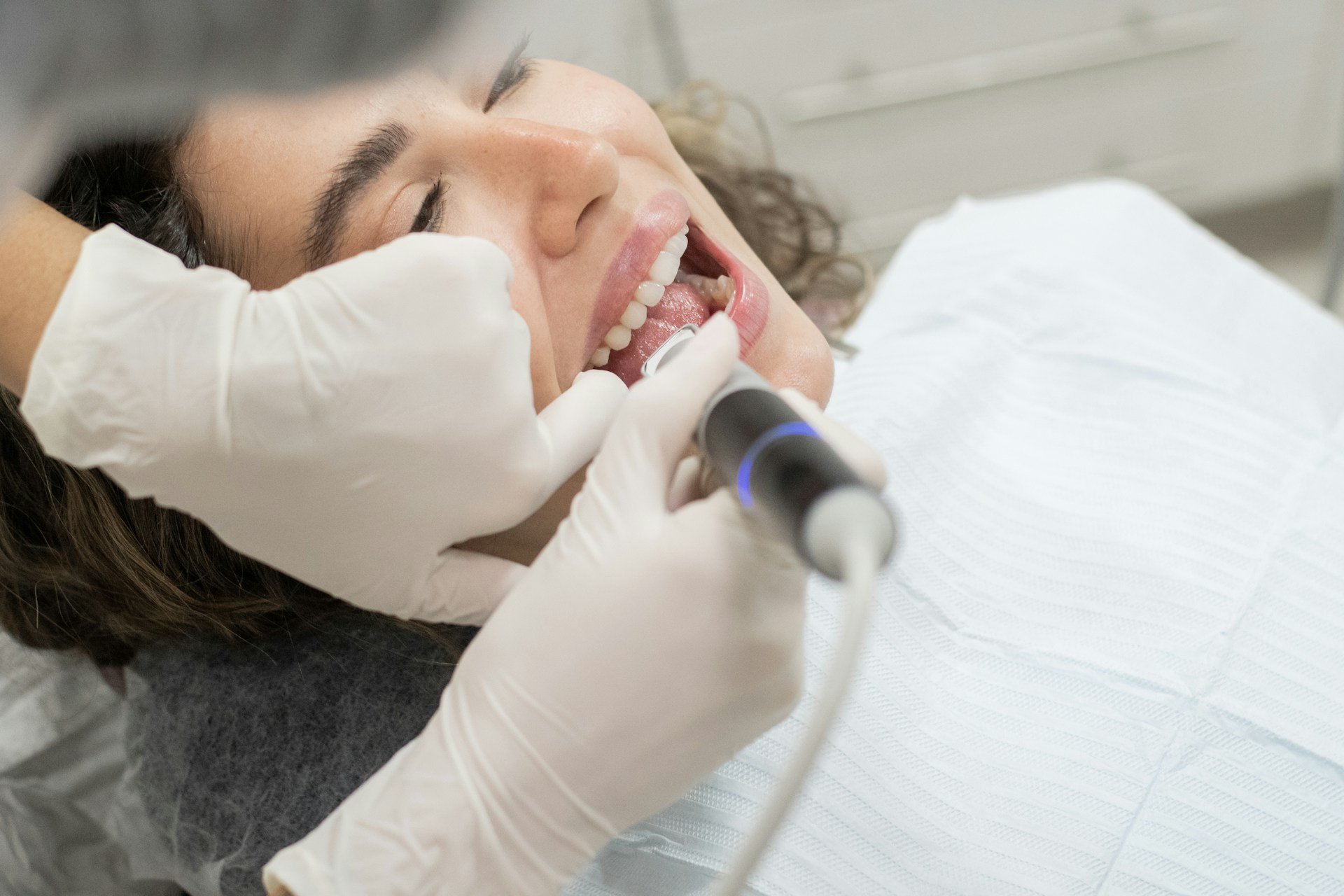
When a wisdom tooth comes out, most people are focused on the healing process. But there is another question some families start asking afterward. Is it too late to do anything with that tooth once it is pulled? And more specifically, can anything helpful still be collected and saved? Many do not realize that certain teeth, especially wisdom teeth, can hold something pretty special inside—stem cells that may be useful in the future.
Timing plays a big role here. While it is not always possible to catch it early, understanding the window of time for collecting stem cells from teeth helps people know what steps to take next. In this post, we will walk through what happens right after extraction, how long you really have, and whether storing stem cells is still an option.
What Are Stem Cells and Why Are They Found in Teeth?
Stem cells are tiny building blocks the body uses to repair and grow. They are unique because they can turn into different kinds of cells depending on what the body needs. That is what makes them interesting to researchers and why families ask about saving them.
You will find these cells in spots like bone marrow, but they also live inside teeth. The internal part of the tooth, called the pulp, is soft and holds these stem cells safely until the tooth is removed. Not every tooth is useful for this, but wisdom teeth are often a better option than others. Wisdom teeth are usually taken out when they are still healthy, which can mean strong samples if they are handled properly right after removal.
What Happens Right After a Tooth Is Removed
Once the tooth is out, the clock starts. The longer the tooth sits without care, the more risk there is that the stem cells inside could weaken. This part matters a lot. The tooth should not dry out or sit at room temperature for long. A healthy sample begins with how the tooth is treated in the first few hours.
This is not something that can be done at home. The tooth needs special tools and temperature control to keep the pulp healthy inside. That is why it helps to have a clear plan beforehand. If the tooth ends up sitting in a drawer or jar, the cells may not be usable anymore. That early care can decide whether stem cells are strong enough to save and store.
At ToothBank, special insulated kits are used to keep teeth fresh from the dentist’s office all the way to the lab, maintaining the right moisture and temperature along the entire journey.
Is It Ever Too Late to Save the Cells?
Many people do not learn about the stem cell option until after the tooth has already been removed. That leads to the next question—how late is too late? The answer depends on how the tooth has been handled since it came out.
If the tooth is collected and sent quickly to a lab within a few hours, there is a good chance the cells are still in good shape. If it is the next day, or if the tooth sat out overnight unprotected, that chance goes down. But it is not necessarily zero. Sometimes a tooth may still have usable cells if it was kept cool and sealed. Waiting too long allows damage to set in, and at that point, there may not be much left to save.
It is always worth asking, especially if someone acted fast after the extraction. But do not guess. Once the professionals look at the sample, they will know right away how strong the cells are.
How Planning Ahead Makes a Big Difference
Planning is the part that helps the most. When families know ahead of time that the tooth may hold something valuable inside, they can make sure everything moves smoothly on removal day. No one wants to figure this out while sitting in a waiting room, especially during a crowded holiday week.
If a wisdom tooth removal is coming up, the best time to think about stem cells is before the appointment. That allows time to choose storage support, prepare a tooth collection kit, and arrange for same-day delivery. Around winter break, when clinics may have reduced hours and shipping can get delayed, preparation becomes even more important.
Families who talk about this in advance feel more confident about the process. It helps ease the stress of extraction day and keeps the timeline short between removal and delivery.
What a Tooth Bank Does After Collection
Once the tooth arrives at the lab, everything is handled with care and speed. It is not just about getting the tooth out—it is about treating what is inside correctly. The lab team opens the tooth carefully to protect the pulp.
After that, technicians check the cells for strength and quality. Not all of them pass the test. Only the healthy tissue is frozen for long-term storage. Freezing uses very low temperatures that put the cell’s natural changes on pause so they can last for years.
But freezing alone is not enough. To keep samples healthy, labs use special units that stay cold nonstop. If conditions shift, like a power outage or temperature spike, stored cells could be harmed. That is why storage conditions are monitored day and night to keep the environment perfectly steady.
At ToothBank, every sample is stored in stainless steel tanks with 24/7 monitoring and backup power systems to keep the temperature right.
Saving What Matters—Even After the Tooth Is Gone
Thinking about stem cells from teeth after the fact might feel uncertain, but it is not always too late. Timing matters, but so does how the tooth was handled. Some people find out about the option later and worry they missed their chance. That is a common concern, especially if the tooth came out quickly or during a busy time.
If the tooth has already been extracted, it is still worth asking if the cells are usable. Every case is different, and some teeth may still be good enough if they were cared for right after removal. For anyone planning future extractions, especially during busy winter months, it pays to get ready early. That way, when the time comes, you can save what matters most with less worry and more confidence.
Wondering if stem cells can still be stored after a recent wisdom tooth removal? We can guide you based on how the tooth was handled and what may still be possible. Timing, storage, and condition all make a difference. To understand the process and what happens next, it helps to look at how we handle stem cells from teeth. At ToothBank, we’re here to talk it through and help you decide the best next step.
More articles

Learn About The Types Of Stem Cells | Read more

How Body's Own Stem Cells Can Help In Tooth Regeneration | Read more

All About Young Adult Stem Cells | Read more