

Why Wisdom Teeth Are Essential for Stem Cell Banking
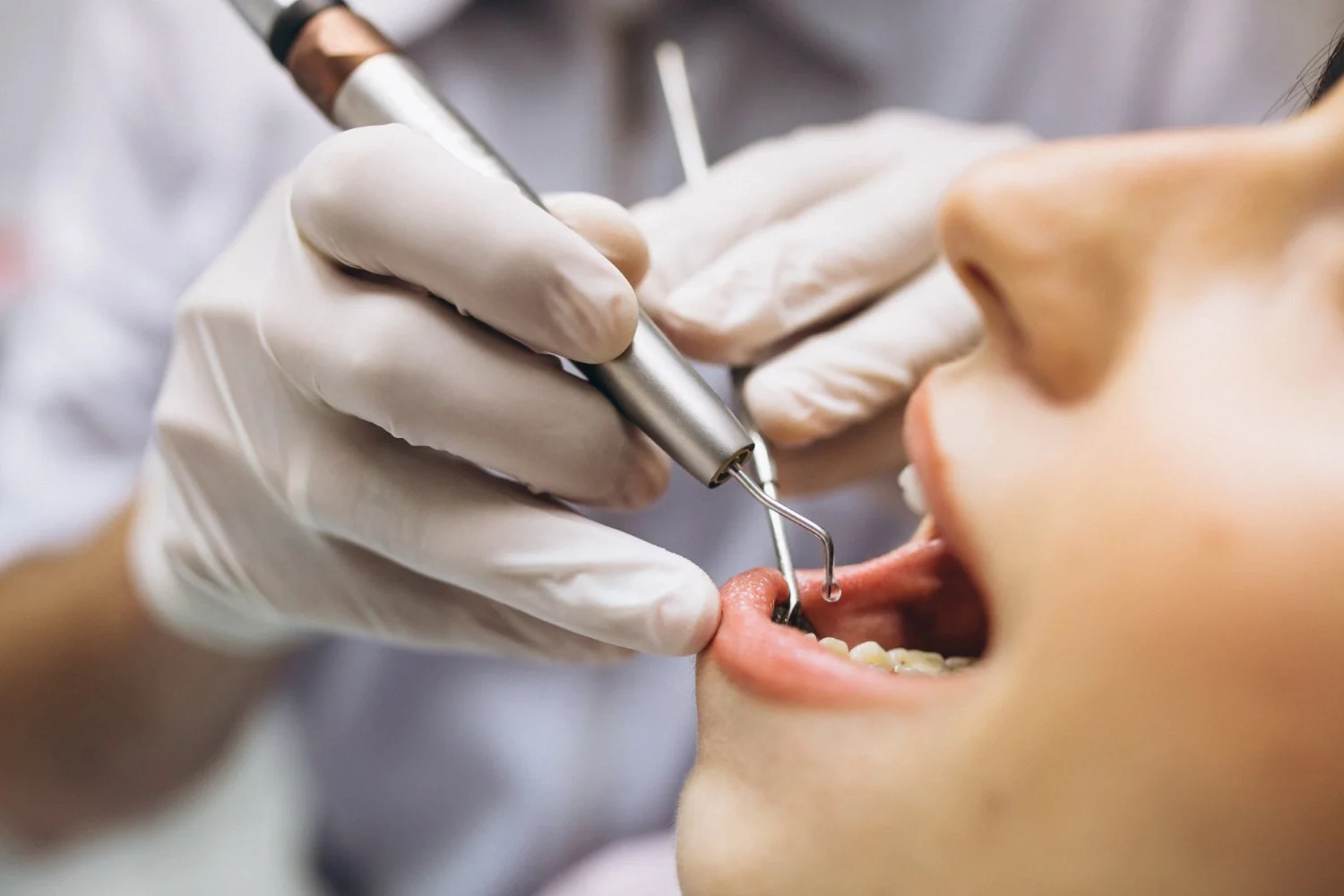
Wisdom teeth often get a bad rap, but they hold a hidden treasure. These teeth aren't just a nuisance, they are important for collecting wisdom tooth stem cells. These special cells can pave the way for future medical needs, as they hold great promise for treating various conditions. By preserving these valuable cells, families can open the door to potential therapies that might address health concerns. Many people might not realize that what seems like a routine dental procedure, removing wisdom teeth, could actually provide a pathway to future options in healthcare. As science progresses, the use of these cells may become increasingly important for dealing with health issues that arise over a lifetime.
What Are Wisdom Tooth Stem Cells?
Stem cells are amazing little helpers inside our bodies. They're like blank slates, ready to turn into different types of cells that the body might need. This helps in repairing and regenerating tissues, making them valuable for health. Stem cells come in various types, some are found in embryos, and others in adult tissues like bone marrow and teeth. Interestingly, wisdom teeth are a great source of these stem cells. What makes wisdom tooth stem cells stand out is their ability to transform and grow, which could be useful in medical treatments someday. The regenerative potential of these cells is broad, meaning they could eventually be used in treatments for things like injuries, degenerative diseases, or even organ repair. These cells are easy to collect during a wisdom tooth extraction, offering a chance to save something special for the future.
At ToothBank, all stem cell preservation is completed under FDA-registered protocols at our certified lab, where every step is managed for quality and safety. By following strict protocols, the preservation process ensures that the cells remain in excellent condition over time. This kind of diligence helps families feel confident that their samples will be useful if they are ever needed.
The Process of Collecting and Preserving Stem Cells
When wisdom teeth need to be removed, it’s always best to leave it to professionals. They keep the procedure safe and effective, ensuring the removal is performed with minimum discomfort and maximum care. Dentists and oral surgeons are trained to extract wisdom teeth with precise techniques, which is important for safeguarding the viability of stem cells in the pulp. Once the teeth are out, the dental pulp is preserved in a special way. The tissue in the center of the tooth contains the richest source of stem cells, and this is the material that gets preserved. We don't separate the stem cells right then. Instead, the entire pulp is carefully frozen.
Freezing the pulp is essential because it puts the cells in a state of deep dormancy, essentially hitting “pause” on their biology until they are needed. This approach keeps the cells in perfect condition, ready for any future need. When the time comes to use them, professionals can separate and multiply the cells for use in therapies. This versatility means the cells can be grown in large numbers, enough for potential use in a variety of treatments. This process, managed by experts, means the cells are in the best shape possible for potential treatments. ToothBank’s procedures include proper testing, processing, and monitoring for each sample. Each phase of the process is documented, and the conditions are continually checked and reported to maintain sample viability, so families can have peace of mind about long-term storage.
Potential Medical Benefits of Wisdom Tooth Stem Cells
Stem cells from wisdom teeth hold promising possibilities for medical progress. Because these cells are “multipotent,” meaning they can become different types of tissue, researchers are hopeful about their future applications. For example, they could play a role in regenerative medicine, which is all about helping the body heal itself. Medical trials and lab research are currently exploring how these stem cells could one day be used for personalized therapies and tissue engineering. Here are some uses we might see in the future:
• Repairing damaged tissues quickly and effectively by providing a fresh supply of new cells
• Helping bones recover after fractures or injuries, potentially reducing recovery time
• Providing personalized medical solutions for each patient's needs, such as growing tissue that specifically matches a patient's biology for optimal compatibility
Having a personal reserve of your own stem cells could be an important element in handling medical challenges, as these cells might offer new ways to treat different conditions. For example, in the future, someone might use their stored cells to recover from injury, disease, or surgery. As technology and medicine advance, the utility of having these cells in storage could increase. Research continues to expand the number of conditions and therapies where stem cells might play a crucial role, potentially touching on heart health, nervous system repair, and immune disorders.
Challenges and Considerations for Stem Cell Banking
Stem cell banking is promising, but some concerns and misconceptions exist. Many people worry about the process, thinking it might be complicated or risky. In reality, when handled by professionals, stem cell collection and banking are routine, well-regulated processes. The entire collection process from extraction to storage is controlled and documented, reducing any risks for both the patient and the stored sample. Luckily, when left to professionals, it is a straightforward and safe process. One regular misconception is that stem cells can be stored at home. This isn’t true, as keeping them alive needs special care and conditions. The controlled temperature of cryopreservation facilities is critical to maintaining stem cell integrity.
Professional facilities make sure all cells stay intact and ready to use by following strict environmental controls and regular quality testing. By addressing these concerns, we hope to build trust and interest in the possibilities of stem cell banking. Each sample at ToothBank is cryopreserved in a secure, monitored lab, ensuring the highest standard of protection and readiness for future advances. Families and individuals can feel confident, knowing that their samples are protected by a network of checks and balances that meet or exceed industry standards.
Looking Ahead: Creating a Foundation for Health
The practice of preserving wisdom tooth stem cells today can open up a wealth of future health opportunities. As our understanding grows, so does the possible range of treatments that might utilize these powerful cells. These cells have the power to contribute to groundbreaking treatments, which may one day become part of standard healthcare options. This means the wisdom of today’s decisions could pave the path for tomorrow’s health care solutions. By taking the proactive step of preserving these cells, families can set themselves up well for any medical advances that come along. It’s a simple step with potentially great rewards, offering a safety net for future health needs. Thinking ahead by banking these stem cells allows families to adapt more easily to medical developments down the line and opens doors for therapies that we may not have even considered yet. The sense of security and readiness that comes from knowing you have a reserve of stem cells ready is invaluable.
Preserving wisdom tooth stem cells is a forward-thinking way to support your family’s future health. At ToothBank, we are committed to safeguarding this valuable resource with expert care and precision. These stem cells can offer versatile potential for emerging treatments and medical advances. Our professional team manages every step to make sure everything is ready whenever needed. To see how wisdom tooth stem cells can make a difference for your loved ones, reach out to us today.
More articles

Learn About The Types Of Stem Cells | Read more

How Body's Own Stem Cells Can Help In Tooth Regeneration | Read more

All About Young Adult Stem Cells | Read more