

Comparing Wisdom Teeth and Baby Teeth for Stem Cells
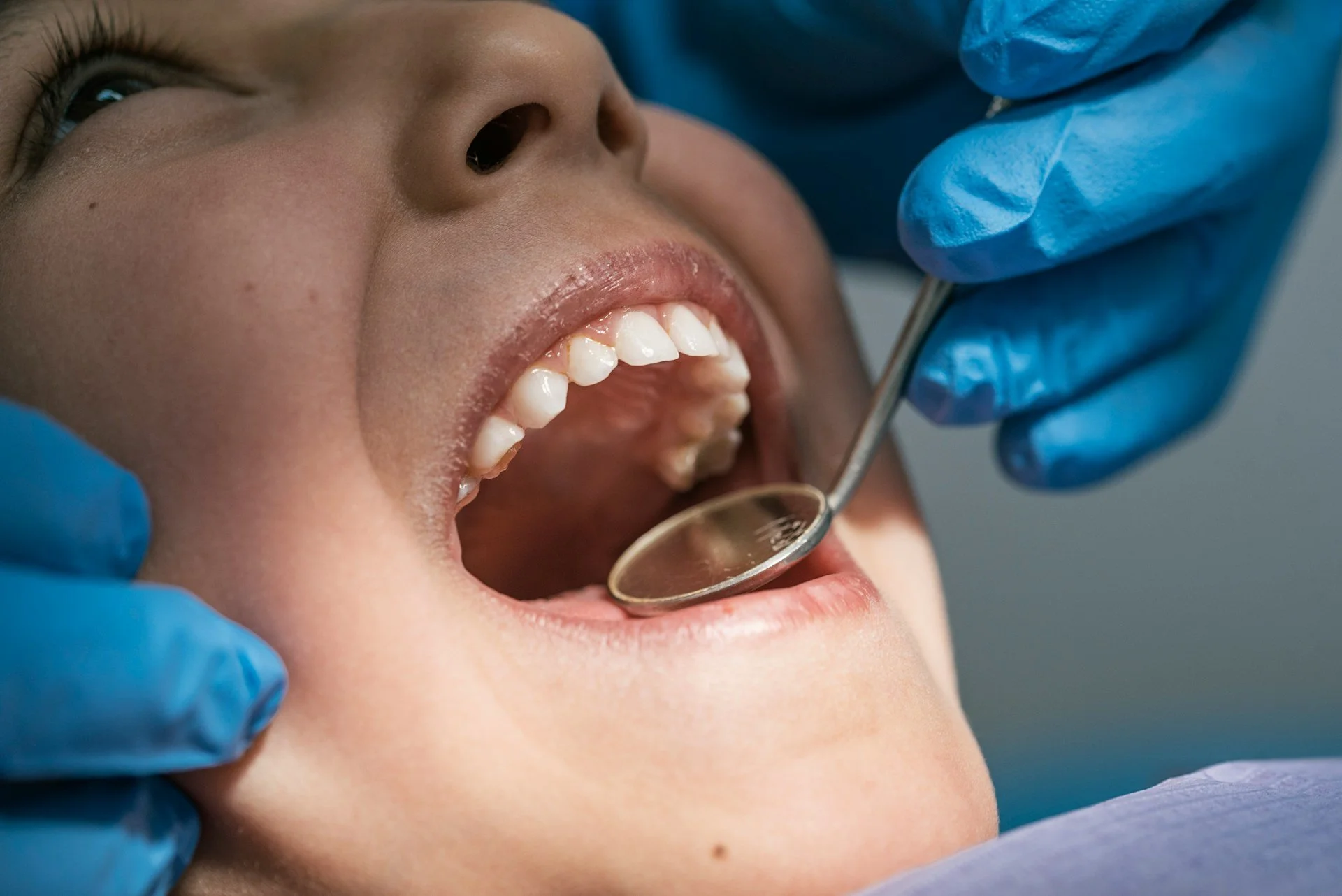
We often do not give much thought to our teeth beyond regular checkups and maintaining a healthy smile. But did you know that your teeth could be a gateway to future health benefits? Collecting teeth stem cells offers an opportunity: the chance to use these cells for potential medical treatments in the years to come. Both wisdom teeth and baby teeth can be sources of these valuable cells, each with their own qualities. In this article, we will examine how these two types of teeth compare when it comes to stem cells.
Understanding Stem Cells: What Are They?
Stem cells are important because they have the power to transform into various types of cells within our bodies. This makes them valuable in medical science, as they can be used in regenerating tissues and organs. Teeth stem cells are particularly interesting because they are easily accessible. When discussing their contribution to regenerative medicine, it is about their potential to support healing and recovery from certain conditions.
Stem cells play a part in medical advancements by serving as a kind of universal building block. Their ability to turn into different cell types means they could be used in therapies for illnesses that currently have limited treatment options. This is where wisdom and baby teeth are considered as new sources of these cells. These cells remain dormant within teeth, waiting to be collected for future health needs.
The Case for Wisdom Teeth: A Treasure Trove of Stem Cells
Wisdom teeth are often removed during adolescence or early adulthood, making them a suitable candidate for stem cell collection. These teeth are rich in pulp tissue, where stem cells reside, making them a strong source. The collection process is straightforward, as these teeth are typically extracted in a clinical setting. Professionals handle the extraction, making sure that all the valuable pulp is preserved for later use.
Once collected, the pulp is tested and then frozen whole. If stem cells are needed later, we can separate them out, multiply them, and use them as required. This makes wisdom teeth a flexible option for families interested in investing in their health future. The possible uses of these stem cells include aiding in the recovery from certain injuries or as part of regenerative therapies that are still being developed.
ToothBank processes all wisdom teeth at its FDA-registered laboratory in Brownsburg, Indiana, following secure protocols for sample traceability, viability, and long-term storage. Families receive regular updates documenting the status of their samples, ensuring transparency and peace of mind from extraction to preservation.
Baby Teeth as a Resource: Unique but Limited
Wisdom teeth offer a strong source of stem cells, but baby teeth also present an accessible option. As they naturally fall out, they can be collected without the need for extraction procedures. There are some challenges with using baby teeth for stem cells. Timing is less predictable, as parents must be ready to collect them as they are shed. The number of stem cells in baby teeth can vary, possibly affecting their usefulness for future medical applications.
In comparing the two, baby teeth provide an option with its own strengths and limitations. They can offer viable stem cells, but their quantity and timing might not align as neatly as with wisdom teeth. It is necessary to weigh these factors when deciding which type of tooth stem cell banking might best serve family needs.
For all baby tooth samples, ToothBank documents each collection step and stores the pulp under carefully controlled lab conditions, preserving viability and maximizing potential for future treatments as research emerges.
Comparing Benefits: Wisdom Teeth vs. Baby Teeth
When it comes to choosing between wisdom teeth and baby teeth for stem cell collection, there are several factors to consider. Here is a simple comparison to help weigh the benefits:
Source and Timing: Wisdom teeth can often be planned for removal, whereas baby teeth fall out naturally, sometimes unpredictably.
Stem Cell Viability: Wisdom teeth generally provide a more abundant and consistent source of stem cells.
Collection Process: Wisdom teeth require professional extraction, while baby teeth can be collected at home when they fall out naturally.
Based on these points, wisdom teeth might offer a more reliable option, especially if you are seeking a consistent source of stem cells. Baby teeth remain a resource, especially for families interested in having several potential collection opportunities
Stem Cells: A Glimpse into the Future
The collection and storage of stem cells from teeth provide an opportunity for medical advancements. As technologies progress, the possibilities of what stem cells can achieve continue to expand. Early preservation of these cells can mean having a personal resource prepared for future health needs. It is a non-invasive way to save potentially useful cells with little effort.
ToothBank supports families throughout the entire collection, storage, and preservation process, offering regular reporting and maintaining a secure environment for your samples in Brownsburg, Indiana. With precision and attention to detail, samples remain accessible for years, ready to support upcoming regenerative treatments and innovative care solutions.
The role of stem cells in future therapies will continue to grow. By banking stem cells from teeth, families are preparing for more innovative healthcare solutions. The outlook is hopeful for regenerative medicine, and teeth stem cells may provide important options in the coming years.
At ToothBank, we offer families a way to preserve their health by banking teeth stem cells collected from wisdom and baby teeth. As research moves forward, maintaining your own reserve could provide reassurance for possible future medical needs. Learning about the benefits of stem cell banking today helps lay the foundation for tomorrow’s regenerative therapies. To discover how our solutions can support your long-term wellness goals, reach out to our team.
More articles

Learn About The Types Of Stem Cells | Read more

How Body's Own Stem Cells Can Help In Tooth Regeneration | Read more

All About Young Adult Stem Cells | Read more